


View more
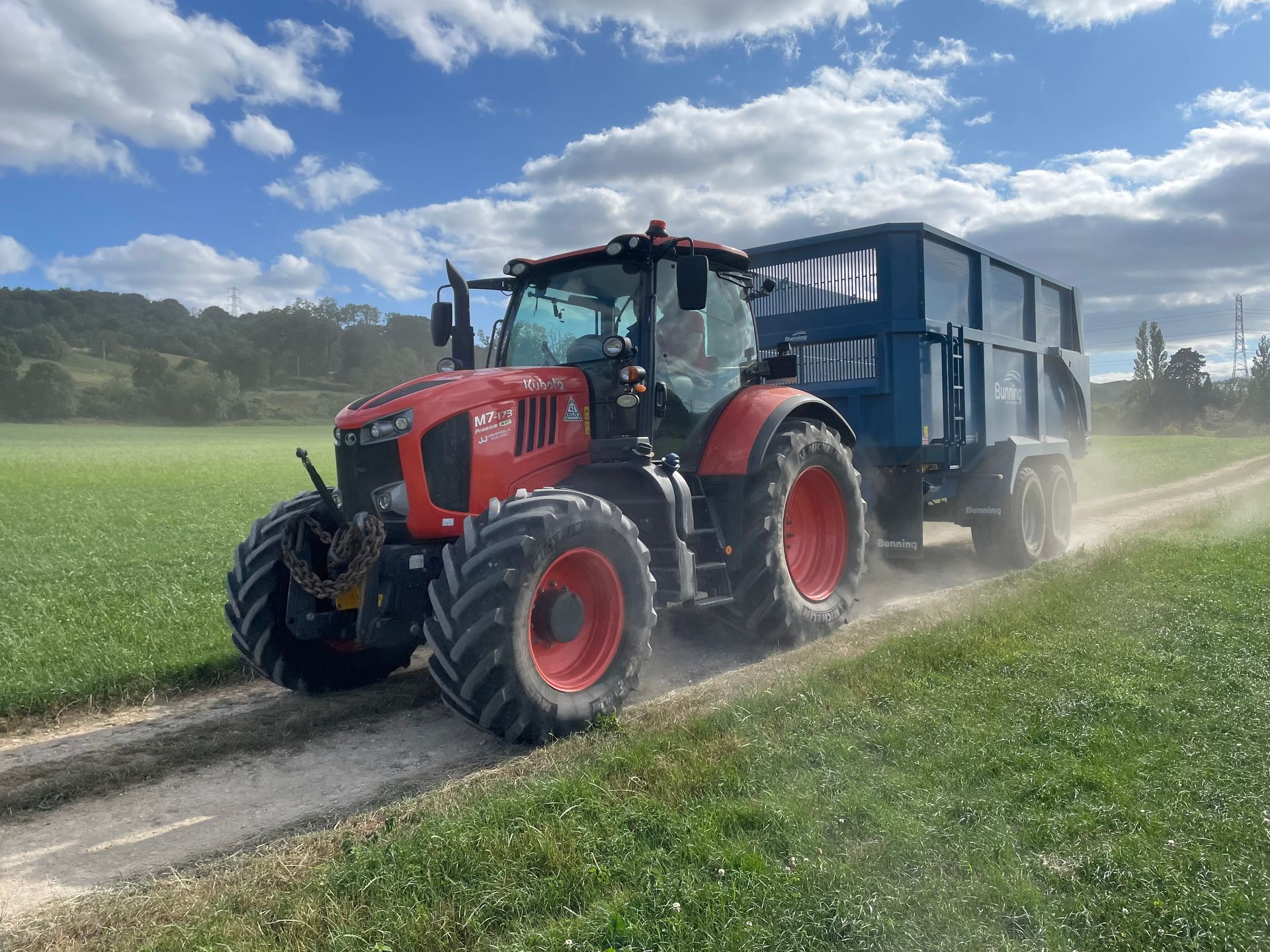
The JJ Farm Services 2027 Calendar Competition is Now Open! Each year, our calendar celebrates the people, machinery and landscapes that make British farming so special. Following the fantastic response to previous years, we're delighted to announce that the JJ Farm Services 2027 Calendar Competition is now open, and we'd love to showcase your photographs. Whether you've captured a spectacular sunrise over the fields, harvest in full swing, livestock in the countryside, or your favourite tractor hard at work, we want to see the moments that tell the story of farming throughout the seasons. What we're looking for We're inviting photographs that capture the best of agriculture, including: Tractors and agricultural machinery Cultivation, drilling and harvesting Livestock and animal husbandry Grassland and forage operations Rural landscapes and seasonal scenery Everyday life on the farm Those special moments that showcase the farming community Whether you're a professional photographer or simply enjoy taking photos while out on the farm, everyone is welcome to enter. What's in it for you? If your photograph is selected, you will: Feature in the JJ Farm Services 2027 Calendar Be credited alongside your photograph Receive a thank-you gift from JJ Farm Services Our calendar is enjoyed by customers throughout the year, making it a fantastic opportunity to have your photography seen across the farming community. How to enter Email your photographs to: 📧 sales@jjfarm.co.uk To help us identify your entry, please include: Your name A contact telephone number or email address Please send the highest-resolution version of your photograph whenever possible, as this helps ensure the best print quality in the calendar. Competition closing date Entries close on Wednesday 30th September 2026. We'll contact successful entrants once the judging has been completed. Thank you to everyone who enters. We look forward to seeing the fantastic photographs that showcase farming at its very best. Competition Terms & Conditions Please read the Competition Terms & Conditions below before entering. By submitting your photographs, you confirm that you have read and accepted these Terms & Conditions. JJ Farm Services 2027 Calendar Competition – Terms & Conditions Thank you for entering the JJ Farm Services 2027 Calendar Competition. By submitting an entry, you agree to the following Terms & Conditions. 1. Competition Entry The competition is open to all amateur and professional photographers. There is no entry fee. Entrants may submit multiple photographs. All entries must be received by 11:59 pm on 30th September 2026. Late entries may not be considered. 2. Photograph Requirements Photographs must be the original work of the entrant. Images should be of high quality and suitable for print. We welcome photographs featuring farming, agricultural machinery, livestock, rural landscapes, crops, and agricultural life. Minor editing (such as cropping, colour correction and exposure adjustments) is acceptable, provided the image accurately represents the original scene. Images containing offensive, inappropriate or unlawful content will not be accepted. 3. Copyright Copyright remains with the photographer. By entering the competition, you confirm that you own the copyright to each submitted image. 4. Permission to Use Images By entering the competition, you grant JJ Farm Services a non-exclusive, royalty-free, worldwide licence to use submitted photographs for promotional and marketing purposes. This includes, but is not limited to: The JJ Farm Services 2027 Calendar Future JJ Farm Services calendars Social media channels The JJ Farm Services website Printed advertising and promotional literature Exhibitions, trade shows and events Press releases and editorial content promoting JJ Farm Services Your photograph may be resized, cropped or adjusted where necessary for publication. The content of the image will not be materially altered. 5. Photographer Credit Where reasonably possible, JJ Farm Services will credit the photographer whenever a submitted image is used. 6. Permission from Others If your photograph includes identifiable individuals or private property, you confirm that you have obtained any necessary permission for the image to be submitted and used as outlined in these Terms & Conditions. 7. Selection of Images Winning and featured photographs will be selected by JJ Farm Services. The judges' decision is final. No correspondence will be entered into regarding the selection process. 8. Prize Selected photographers will: Have their photograph featured in the JJ Farm Services 2027 Calendar. Be credited alongside their image where possible. Receive a gift from JJ Farm Services. Prizes are non-transferable and cannot be exchanged for cash. 9. Liability Entrants remain responsible for the content of their submissions. JJ Farm Services accepts no responsibility for entries that are lost, delayed, corrupted or otherwise not received due to technical issues. 10. Data Protection Personal information submitted as part of the competition will only be used for the administration of the competition and to contact successful entrants. Your personal information will not be sold to third parties. 11. Changes to the Competition JJ Farm Services reserves the right to amend these Terms & Conditions or cancel the competition where necessary due to circumstances beyond our reasonable control. 12. Contact If you have any questions regarding the competition, please contact: Hannah Stagg 📧 accounts@jjfarm.co.uk
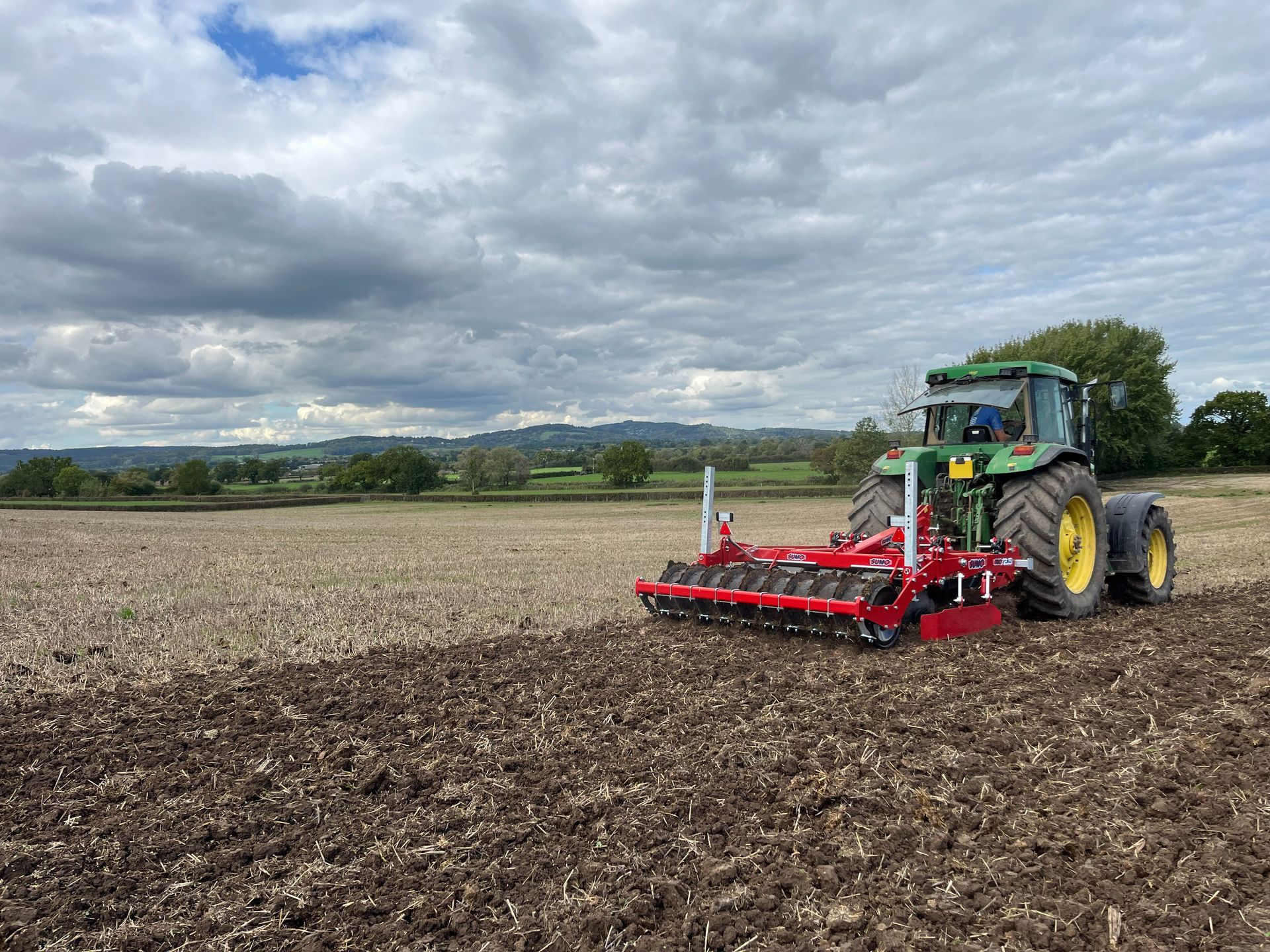
Save the Date. Join Us at the Tillage Event 2026 Thursday 10th September 2026 Hosted by Calmsden Farms We're pleased to announce that JJ Farm Services will be attending the Calmsden Tillage Event on Thursday, 10th September 2026, at Calmsden Farms, near Cirencester. The event is organised by the Gloucestershire Root, Fruit & Grain Society (GRFGS), an organisation with a long history of supporting agriculture across the county through demonstrations, knowledge sharing, and industry events. The annual tillage event brings together farmers, contractors, machinery dealers, and manufacturers for a practical day focused on cultivation, crop establishment, and modern farming techniques. Set in the heart of the Cotswolds, the event provides an excellent opportunity to see machinery working in real field conditions, compare different cultivation systems, and speak directly with industry professionals. More information and contact details can be found over on the Gloucestershire Root Fruit & Grain Society website www.grfgs.com Come and Say Hello Our team will be on hand throughout the day to discuss: Agricultural machinery sales Servicing and maintenance Tractor and machinery repairs Parts support Workshop capabilities New and used machinery opportunities Whether you're an existing customer or simply want to learn more about what we do, we'd be delighted to have a chat. Why Attend? Events like this offer a valuable opportunity to: See cultivation equipment working in the field Compare different establishment systems Speak directly with manufacturers and dealers Exchange ideas with fellow farmers and contractors Keep up to date with the latest machinery developments Planning Your Visit 📍 Location: Calmsden Farms, Cirencester, Gloucestershire, GL7 5ET 📅 Date: Thursday 10th September 2026 Gates open at 9:30 am - free admission Working demonstrations starting from 9:30 am through to 4 pm Keep an eye on our social media channels for further updates as the event approaches. We look forward to seeing you there.
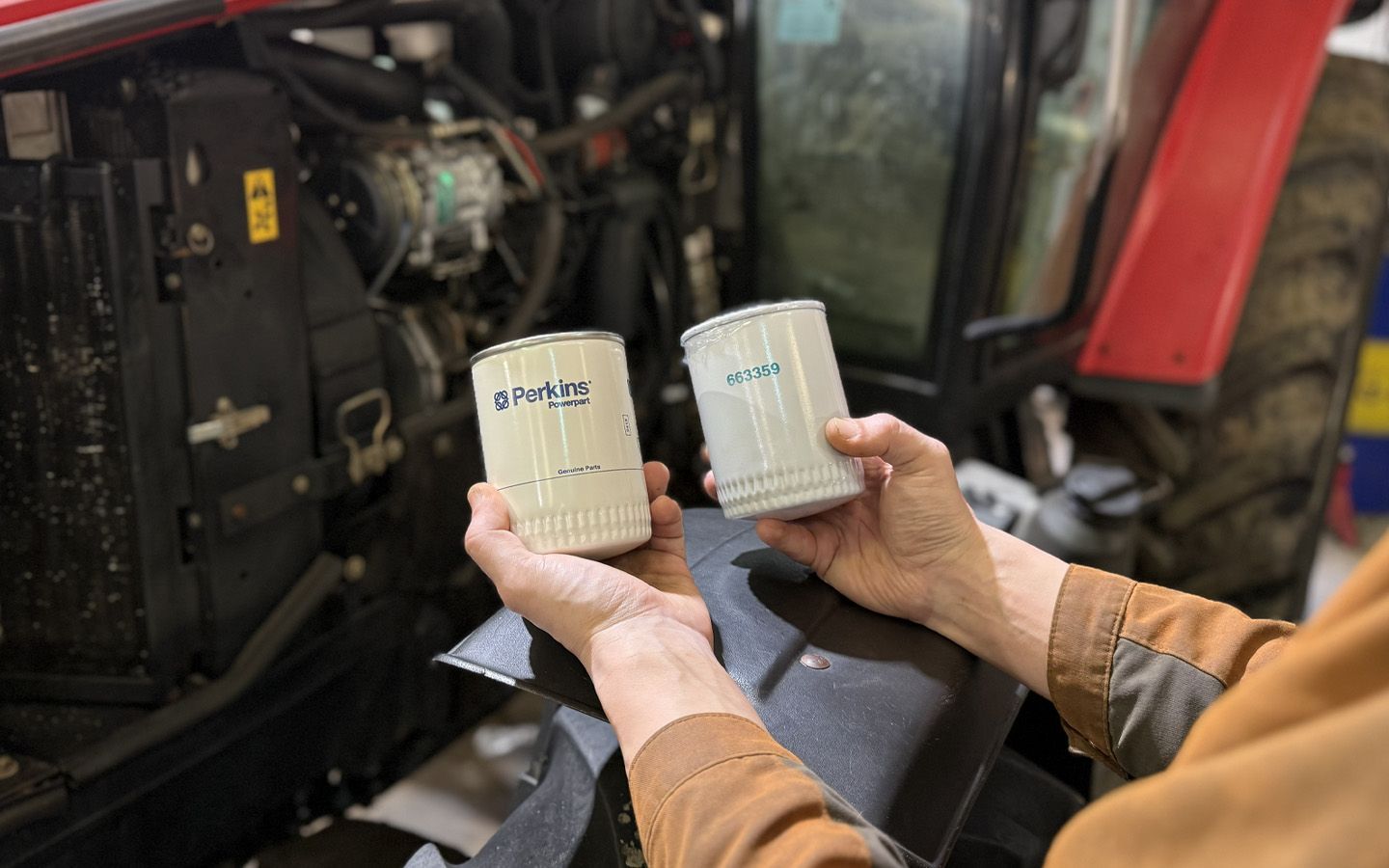
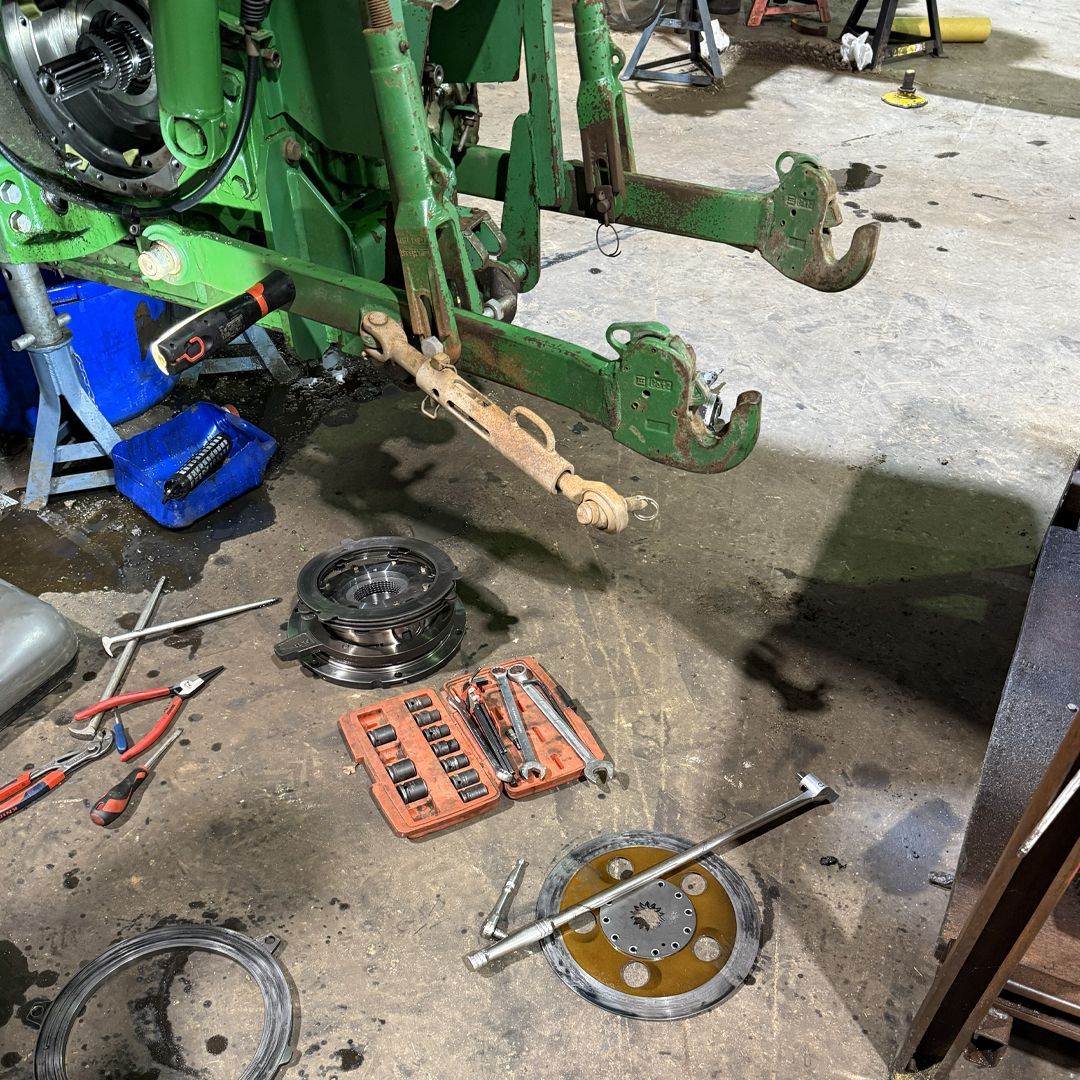
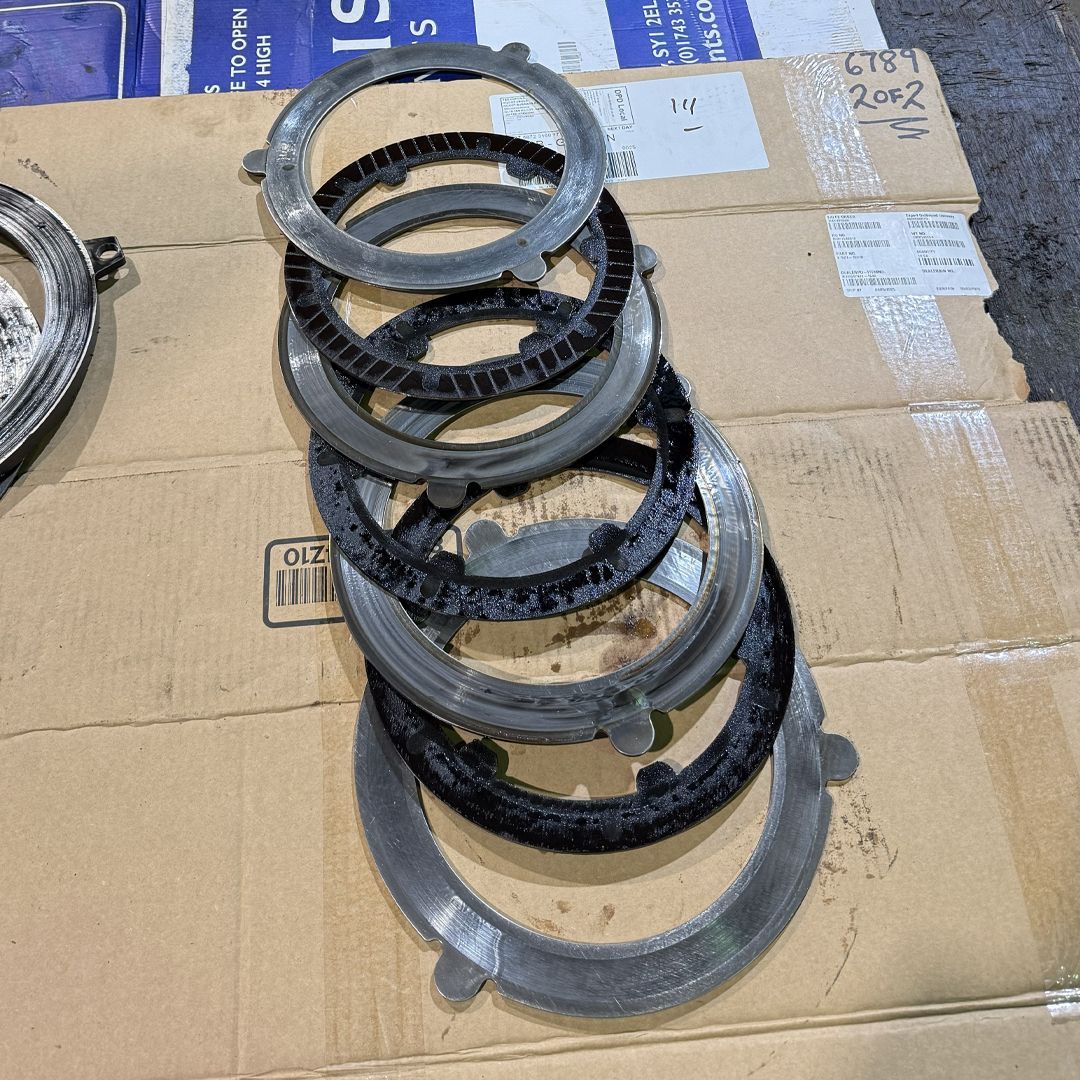
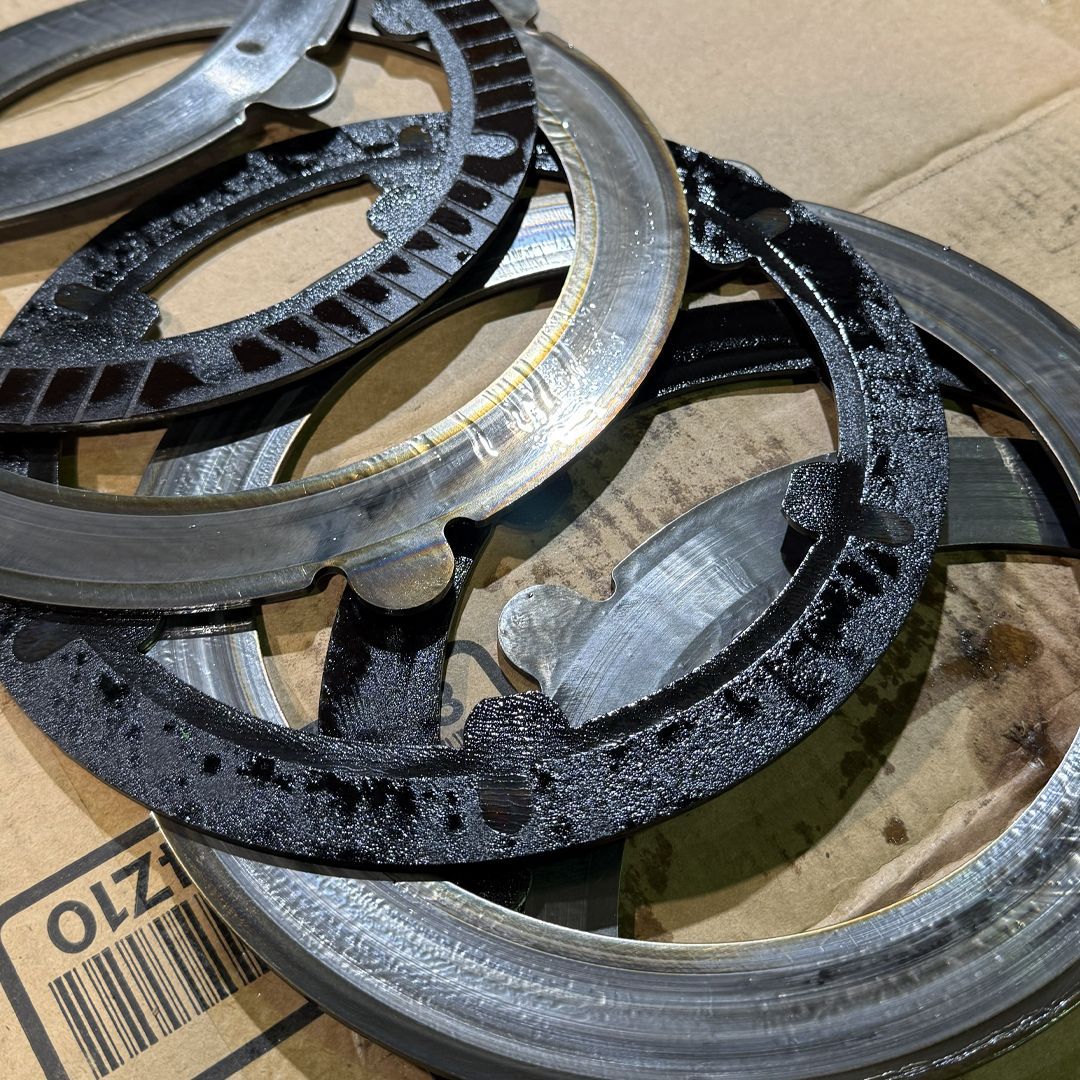
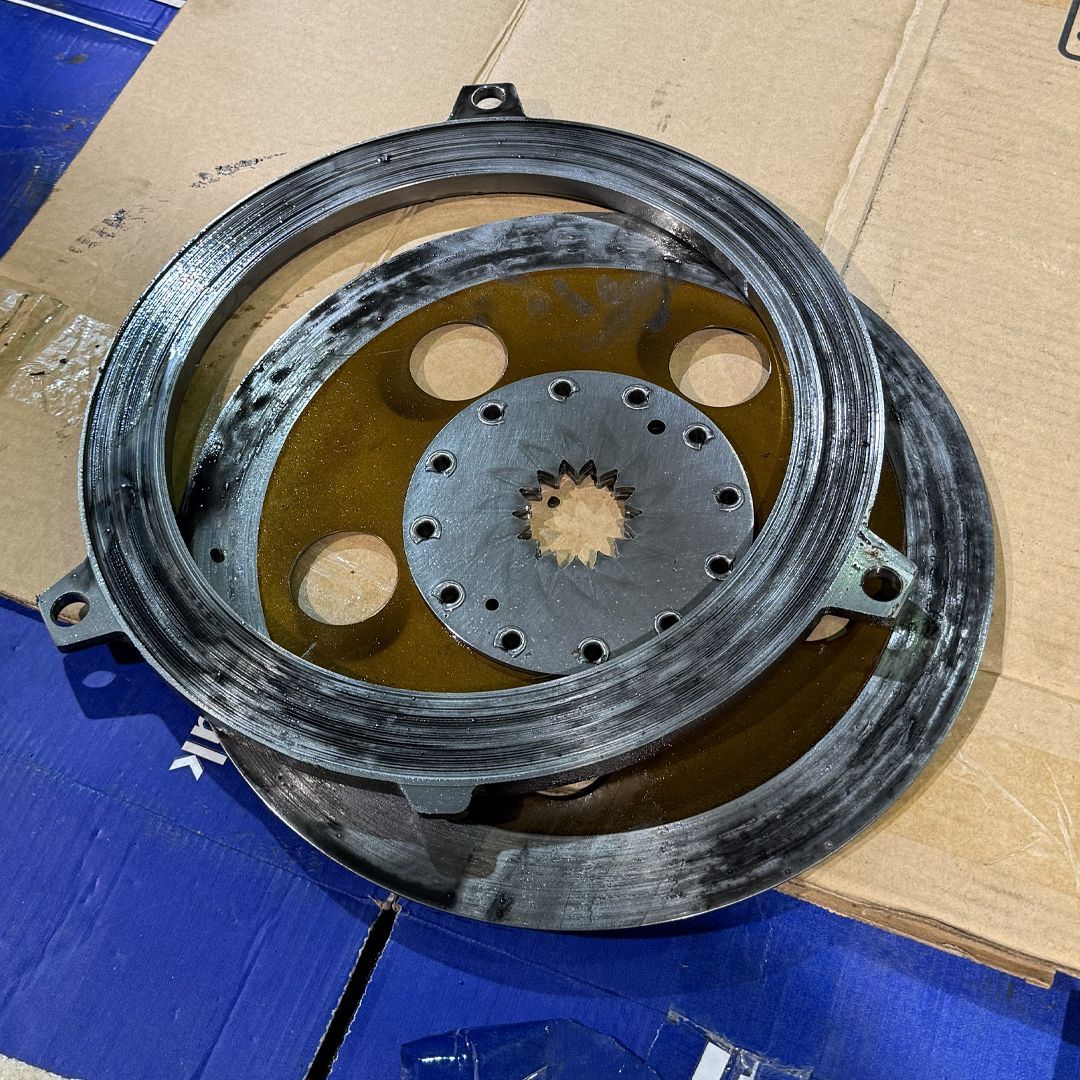
Is there a difference between non-genuine and OEM parts.
The JJ Farm Services 2027 Calendar Competition is Now Open! Each year, our calendar celebrates the people, machinery and landscapes that make British farming so special. Following the fantastic response to previous years, we're delighted to announce that the JJ Farm Services 2027 Calendar Competition is now open, and we'd love to showcase your photographs. Whether you've captured a spectacular sunrise over the fields, harvest in full swing, livestock in the countryside, or your favourite tractor hard at work, we want to see the moments that tell the story of farming throughout the seasons. What we're looking for We're inviting photographs that capture the best of agriculture, including: Tractors and agricultural machinery Cultivation, drilling and harvesting Livestock and animal husbandry Grassland and forage operations Rural landscapes and seasonal scenery Everyday life on the farm Those special moments that showcase the farming community Whether you're a professional photographer or simply enjoy taking photos while out on the farm, everyone is welcome to enter. What's in it for you? If your photograph is selected, you will: Feature in the JJ Farm Services 2027 Calendar Be credited alongside your photograph Receive a thank-you gift from JJ Farm Services Our calendar is enjoyed by customers throughout the year, making it a fantastic opportunity to have your photography seen across the farming community. How to enter Email your photographs to: 📧 sales@jjfarm.co.uk To help us identify your entry, please include: Your name A contact telephone number or email address Please send the highest-resolution version of your photograph whenever possible, as this helps ensure the best print quality in the calendar. Competition closing date Entries close on Wednesday 30th September 2026. We'll contact successful entrants once the judging has been completed. Thank you to everyone who enters. We look forward to seeing the fantastic photographs that showcase farming at its very best. Competition Terms & Conditions Please read the Competition Terms & Conditions below before entering. By submitting your photographs, you confirm that you have read and accepted these Terms & Conditions. JJ Farm Services 2027 Calendar Competition – Terms & Conditions Thank you for entering the JJ Farm Services 2027 Calendar Competition. By submitting an entry, you agree to the following Terms & Conditions. 1. Competition Entry The competition is open to all amateur and professional photographers. There is no entry fee. Entrants may submit multiple photographs. All entries must be received by 11:59 pm on 30th September 2026. Late entries may not be considered. 2. Photograph Requirements Photographs must be the original work of the entrant. Images should be of high quality and suitable for print. We welcome photographs featuring farming, agricultural machinery, livestock, rural landscapes, crops, and agricultural life. Minor editing (such as cropping, colour correction and exposure adjustments) is acceptable, provided the image accurately represents the original scene. Images containing offensive, inappropriate or unlawful content will not be accepted. 3. Copyright Copyright remains with the photographer. By entering the competition, you confirm that you own the copyright to each submitted image. 4. Permission to Use Images By entering the competition, you grant JJ Farm Services a non-exclusive, royalty-free, worldwide licence to use submitted photographs for promotional and marketing purposes. This includes, but is not limited to: The JJ Farm Services 2027 Calendar Future JJ Farm Services calendars Social media channels The JJ Farm Services website Printed advertising and promotional literature Exhibitions, trade shows and events Press releases and editorial content promoting JJ Farm Services Your photograph may be resized, cropped or adjusted where necessary for publication. The content of the image will not be materially altered. 5. Photographer Credit Where reasonably possible, JJ Farm Services will credit the photographer whenever a submitted image is used. 6. Permission from Others If your photograph includes identifiable individuals or private property, you confirm that you have obtained any necessary permission for the image to be submitted and used as outlined in these Terms & Conditions. 7. Selection of Images Winning and featured photographs will be selected by JJ Farm Services. The judges' decision is final. No correspondence will be entered into regarding the selection process. 8. Prize Selected photographers will: Have their photograph featured in the JJ Farm Services 2027 Calendar. Be credited alongside their image where possible. Receive a gift from JJ Farm Services. Prizes are non-transferable and cannot be exchanged for cash. 9. Liability Entrants remain responsible for the content of their submissions. JJ Farm Services accepts no responsibility for entries that are lost, delayed, corrupted or otherwise not received due to technical issues. 10. Data Protection Personal information submitted as part of the competition will only be used for the administration of the competition and to contact successful entrants. Your personal information will not be sold to third parties. 11. Changes to the Competition JJ Farm Services reserves the right to amend these Terms & Conditions or cancel the competition where necessary due to circumstances beyond our reasonable control. 12. Contact If you have any questions regarding the competition, please contact: Hannah Stagg 📧 accounts@jjfarm.co.uk
Save the Date. Join Us at the Tillage Event 2026 Thursday 10th September 2026 Hosted by Calmsden Farms We're pleased to announce that JJ Farm Services will be attending the Calmsden Tillage Event on Thursday, 10th September 2026, at Calmsden Farms, near Cirencester. The event is organised by the Gloucestershire Root, Fruit & Grain Society (GRFGS), an organisation with a long history of supporting agriculture across the county through demonstrations, knowledge sharing, and industry events. The annual tillage event brings together farmers, contractors, machinery dealers, and manufacturers for a practical day focused on cultivation, crop establishment, and modern farming techniques. Set in the heart of the Cotswolds, the event provides an excellent opportunity to see machinery working in real field conditions, compare different cultivation systems, and speak directly with industry professionals. More information and contact details can be found over on the Gloucestershire Root Fruit & Grain Society website www.grfgs.com Come and Say Hello Our team will be on hand throughout the day to discuss: Agricultural machinery sales Servicing and maintenance Tractor and machinery repairs Parts support Workshop capabilities New and used machinery opportunities Whether you're an existing customer or simply want to learn more about what we do, we'd be delighted to have a chat. Why Attend? Events like this offer a valuable opportunity to: See cultivation equipment working in the field Compare different establishment systems Speak directly with manufacturers and dealers Exchange ideas with fellow farmers and contractors Keep up to date with the latest machinery developments Planning Your Visit 📍 Location: Calmsden Farms, Cirencester, Gloucestershire, GL7 5ET 📅 Date: Thursday 10th September 2026 Gates open at 9:30 am - free admission Working demonstrations starting from 9:30 am through to 4 pm Keep an eye on our social media channels for further updates as the event approaches. We look forward to seeing you there.